Preparing Your Boat for the Next Season
As the boating season comes to an end, it can be tempting to simply put the boat away and wait for spring. However, the quieter winter months provide an ideal opportunity to protect your boat, carry out essential maintenance and prepare it for the season ahead.
Winter maintenance is about more than simply protecting the engine from cold weather. A well-planned winter programme can include engine servicing, winterisation, periods ashore, antifouling, hull polishing, electrical checks and general preventative maintenance.
Taking care of these jobs during the winter can help prevent small problems from becoming expensive repairs and, importantly, means your boat is ready to go when the new season begins.
What can happen if a boat isn’t properly prepared?
Boats are exposed to a demanding environment throughout the season. Salt water, moisture, vibration, heat and regular use all take their toll on engines, machinery, electrical systems and the hull.
Once the boat is left unused for an extended period, different problems can develop. Batteries can discharge, fuel can deteriorate, corrosion can develop and mechanical components can suffer from prolonged inactivity.
There is also the risk of frost damage to systems containing water. Water trapped inside cooling systems, pipework and other components can freeze and expand, potentially causing significant damage.
Winter is therefore an important opportunity to inspect the boat properly and address issues before they become problems.
Engine winterisation and servicing
The exact requirements depend on the engine and cooling system, but winter preparation can include:
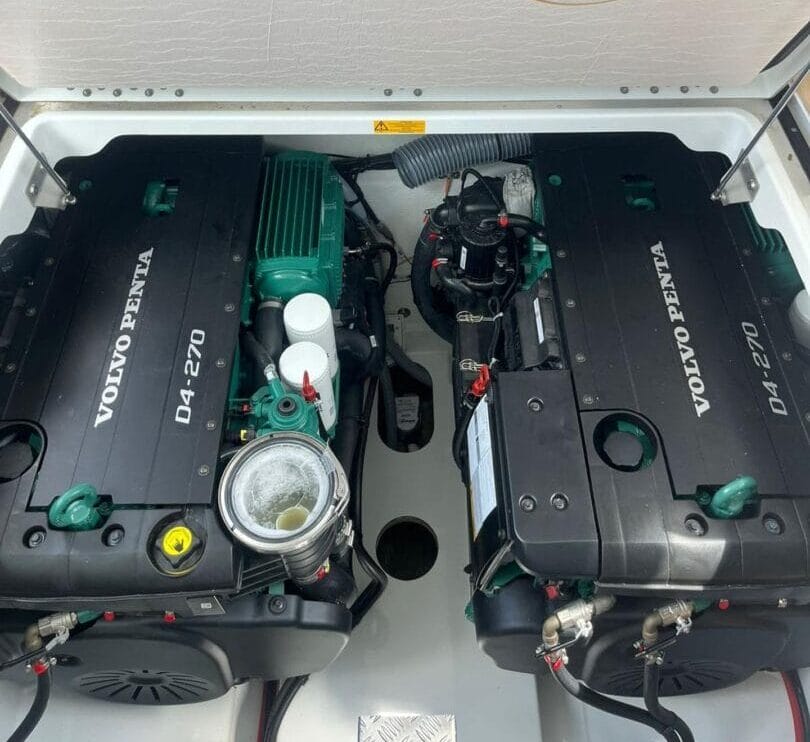
- Checking and protecting the engine cooling system
- Checking coolant strength where applicable
- Inspecting hoses, belts and connections
- Changing engine oil and filters where appropriate
- Checking fuel systems and fuel condition
- Inspecting the raw-water system
- Protecting components from corrosion
- Checking battery condition and charging requirements
- Checking gearboxes, drives and associated systems
- Servicing generators and other machinery where required
It is important that winterisation is carried out according to the manufacturer’s recommendations, as different engines and cooling arrangements require different procedures.
A period ashore
If your boat normally remains afloat throughout the year, winter can be a good opportunity to arrange a period ashore.
Taking the boat out of the water allows areas that are normally inaccessible to be inspected properly. This can include the hull, seacocks, anodes, stern gear, shafts, propellers, outdrives and other underwater components.
A period ashore also provides an opportunity to identify problems such as corrosion, damaged antifouling, worn anodes or issues with underwater fittings before they become more serious.
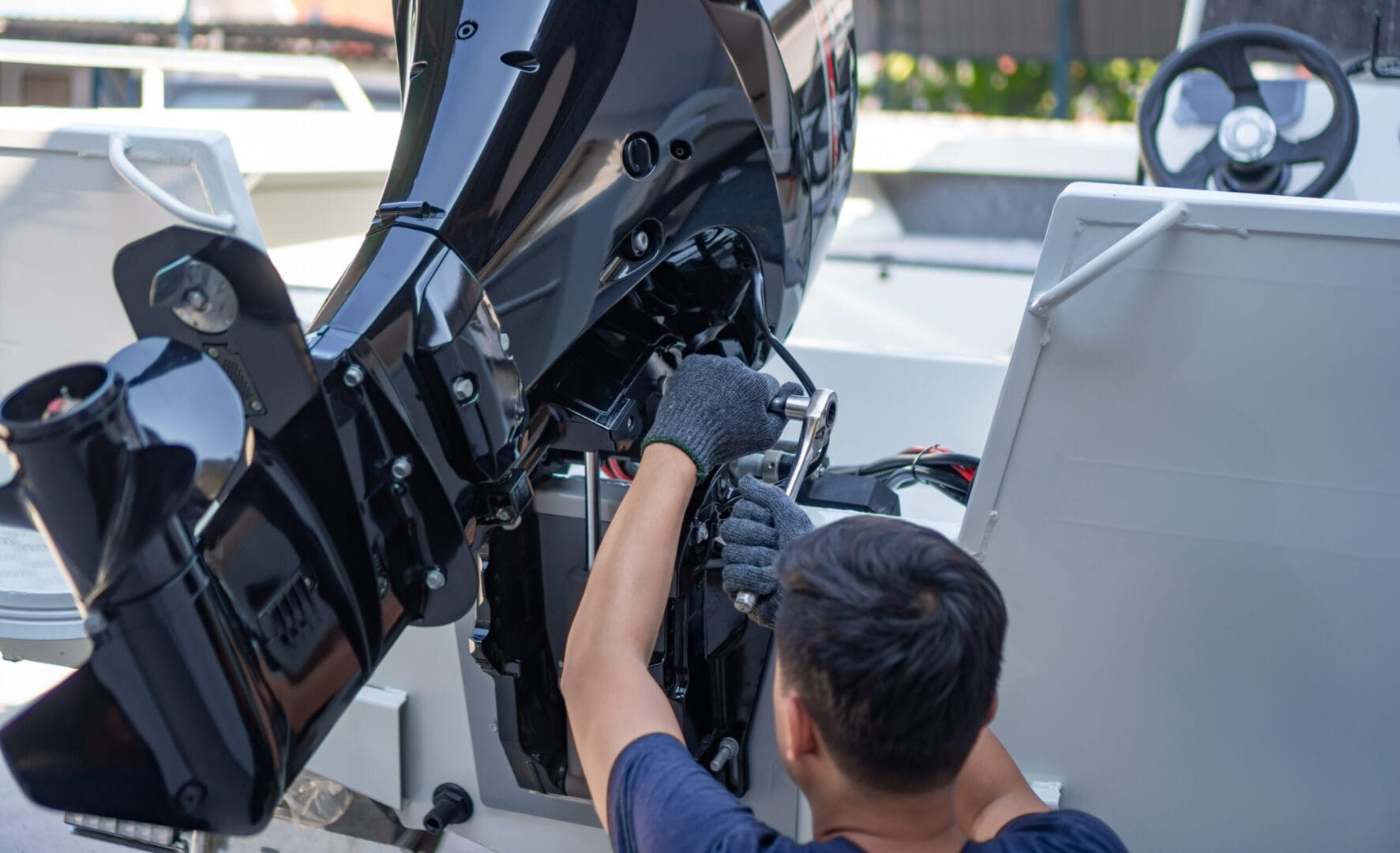
For boats with outdrives, shafts or other mechanical propulsion systems, this can be particularly valuable as part of an annual maintenance programme.
Antifouling
Antifouling is an important part of maintaining the hull and keeping underwater growth under control.
Over time, antifouling becomes less effective and can become worn or damaged. The appropriate preparation and coating system will depend on the existing antifouling, the type of boat and how it is used.
A winter period ashore provides the ideal opportunity to:
- Inspect the existing antifouling
- Remove loose or failing material where necessary
- Prepare the hull correctly
- Apply new antifouling
- Check and replace anodes where required
- Inspect underwater fittings and seacocks
Doing this work during the winter means the boat can be relaunched ready for the season rather than requiring work when you should be out on the water.
Hull polishing and protection
The hull and topsides also benefit from attention after a busy season.
Exposure to sunlight, salt water and general use can leave gelcoat looking dull and weathered. Contamination can also build up on the surface over time.
A professional compound and polish can help restore the appearance of the gelcoat by removing oxidation and surface contamination. This can then be followed by an appropriate protective treatment.
Carrying out this work before the new season not only improves the appearance of the boat but can also help protect the finish from further exposure during the year.
Don’t forget the rest of the boat
Winter maintenance shouldn’t stop at the engine room.
Batteries and electrical systems should be checked and left in a suitable condition for the period of lay-up. A poorly maintained battery can be damaged by prolonged discharge.
Fresh-water systems should also be considered. Water left in tanks, pumps, calorifiers, pipes and other components can create problems if temperatures fall sufficiently.
Other equipment such as generators, heating systems, air-conditioning, watermakers, toilets and refrigeration may also have specific winterisation requirements.
Navigation equipment, lighting, pumps and other electrical systems can also be inspected during the quieter months.
Winter is the ideal time for planned maintenance
The real benefit of winter maintenance is that it gives you time to deal with issues before you need the boat again.
Rather than discovering a problem on the first trip of spring, the quieter winter months provide an opportunity to carry out planned servicing and preventative maintenance.
This might include:
- Engine and gearbox servicing
- Drive and stern gear inspections
- Battery and charging system checks
- Cooling system maintenance
- Fuel system checks
- Hose and belt replacement
- Anodes and corrosion protection
- Hydraulic system servicing
- Generator servicing
- Antifouling
- Hull compound and polish
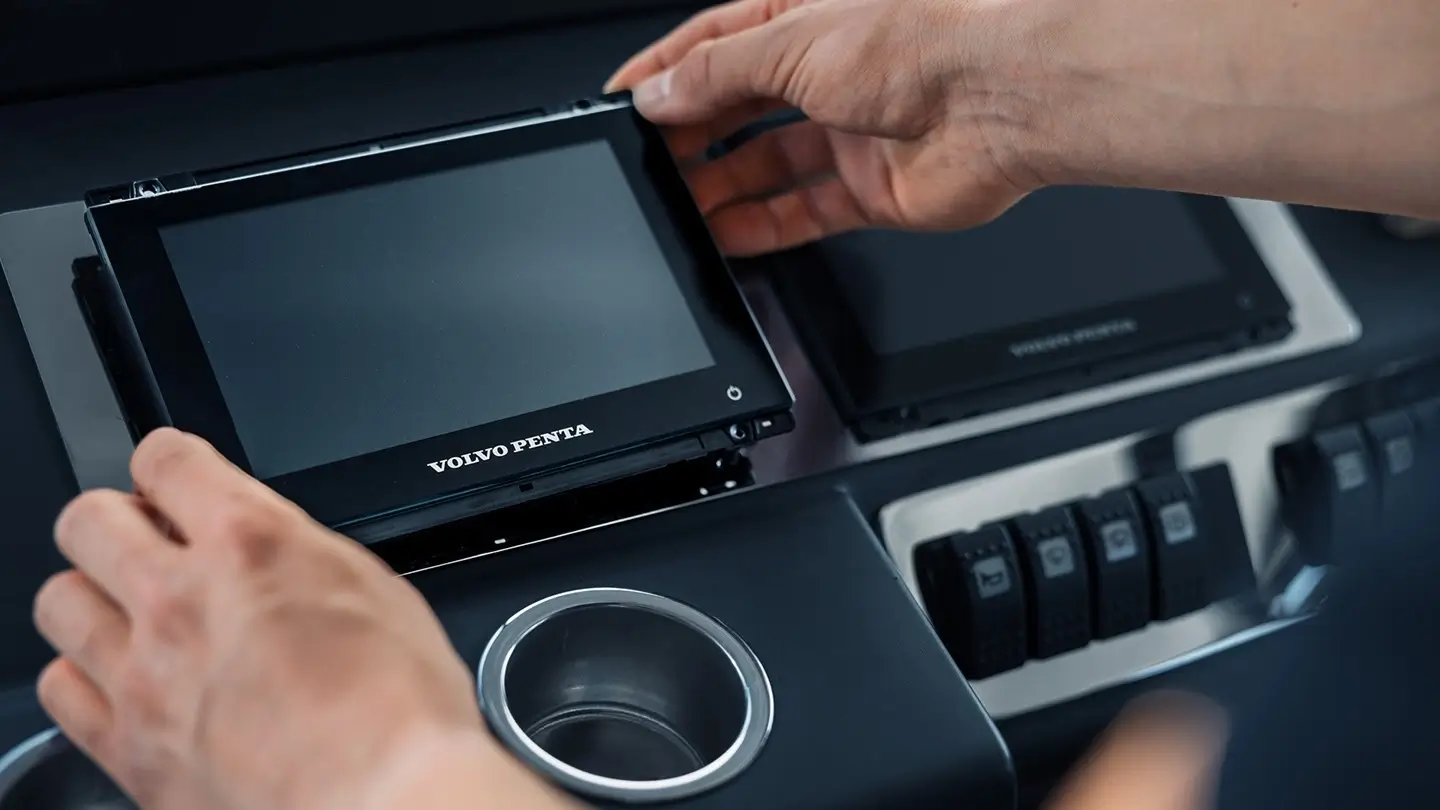
- Navigation and electrical equipment checks
- General inspection of the engine room and machinery
Planning this work early can also make it easier to obtain parts and schedule engineering work before the spring rush.
Winter maintenance can save money
Winter maintenance is an investment in protecting your boat rather than simply another maintenance expense.
A relatively small amount of preventative maintenance can help avoid much larger repair bills caused by frost damage, corrosion, discharged batteries or components failing after a long period of inactivity.
It can also mean that when spring arrives, your boat is ready to go rather than joining the queue for urgent repairs and recommissioning work.
Plan ahead for the next season
At Ocean Marine Services, we recommend looking at winterisation and servicing as part of an overall annual maintenance plan rather than treating them as separate jobs.
Whether your boat needs a simple engine winterisation, a period ashore with antifouling and anodes, hull polishing, or a more comprehensive programme of servicing and preventative maintenance, the winter months are the ideal time to get ahead.
If you’re unsure what your boat needs this winter, get in touch with Ocean Marine Services and we can help you plan the work required to have your boat ready for the season ahead.